

Dan Kapelovitz for
Superior Court Judge
Los Angeles County Office No. 81
Press
Los Angeles Daily News
Election
Dan Kapelovitz,
LA Judge Office No. 81,
2026 primary election questionnaire
(excerpt)
Read / listen on original site
(locked behind a pay wall)
Ahead of the June primary election, the Southern California News Group compiled a list of questions to pose to the candidates who wish to represent you. You can find the full questionnaire below. Questionnaires may have been edited for spelling, grammar, length and, in some instances, to remove hate speech and offensive language.
Name: Dan Kapelovitz
Current job title: Criminal Defense Attorney/Experimental Filmmaker
Age: 55
Incumbent: No
Other political positions held: None
City where you reside: Los Angeles
Campaign website or social media: RadicalLawCenter.com
Questions and Dan Kapelovitz's Responses
What do you consider to be your judicial philosophy?
I’ll actually follow the Constitution. I’m an originalist, but one with the understanding that the original Constitution was written to be a “living” one with room to expand as our nation progresses. The Constitution is the highest law of the land and must be interpreted to serve liberty and justice and to protect individual rights.
I oppose our broken two-tiered criminal-law system: One for the rich, and one for the poor. We need to uphold all constitutional rights, including the Equal Protection Clause.
To further uphold the law and the Constitution, I will not be afraid to grant Racial Justice Act petitions that deserve to be granted. Judges need to do everything possible to eliminate racial bias in all forms from the courts.
Sentencing should be truly proportional. Extreme sentences serve no purpose and can actually be counterproductive. The goal should be to prevent harm – not cause more harm. And we must not have any bias towards one side or another. That is one of the main reasons that I decided to run for judge and why I chose to run for this particular office.

How do you think your personal experience — legal or otherwise — would inform your decisions as a judge?
I didn’t go straight from college to law school. I’ve had years of experience unrelated to schooling or law, during which I’ve made friends from all walks of life. Judges who have never lived in the real world are missing life experiences crucial to being a good judge. I
‘ve also had a variety of jobs prior to going to law school, so I have at least some understanding of what working people deal with. No one knows exactly what anyone else is going through, but having diverse life experiences allows a judge to better identify with others. Many judges have never even personally known someone accused of a crime.
I’ve appeared before every kind of judge. I even clerked for a federal judge. I’ve learned what makes a good judge (and, unfortunately, what makes a bad one). I represent indigent clients as well as witnesses and victims. I understand how just being in a criminal courtroom can be extremely stressful. Some judges add to the misery by abusing people. Nothing is gained by abusing others. It only makes a bad situation worse. Judges who do this are insecure about their judicial abilities. I promise that I’ll never act like those judges.
How would you approach situations where you have judicial discretion within the law?
Where I have discretion, I promise to never abuse it. I will seriously consider all arguments. And I would not be biased toward one side or the other. However, I will err on the side of justice. I understand how seriously it is to use discretion wisely, especially because appellate courts rarely find that a trial court judge has abused his or her discretion (even when that judge clearly has).
How would you weigh your own personal beliefs against the law, should they conflict?
My personal beliefs are to uphold the law, especially the Constitution. So there is currently no conflict. If a situation comes up where my beliefs do come in conflict with the law, as a judge, I would follow the law. And if a situation arose where I could not follow the law in good conscience because I believe doing so would be immoral, I would have to recuse myself or even resign, if appropriate.
The people vote judges into office to uphold the Constitution, not to unethically act on their own personal beliefs, especially when those personal beliefs are themselves quite disturbing. That is precisely why I entered this election.
As an existing member of the legal community, how would you handle potential claims of misconduct against local attorneys, law firms or law enforcement organizations?
Claims of misconduct must be taken extremely seriously. At the same time, the accused is entitled to a meaningful hearing to address these accusations.
For years, Thomas Girardi got away with stealing tens of millions of dollars from his clients, in part, because State Bar employees had accepted gifts from his firm. This is precisely why I refuse to accept campaign contributions from attorneys or from PACs funded by attorneys. I challenge all judicial candidates to do the same.
We also need more transparency. Just to learn of complaints against law enforcement, attorneys must jump through numerous hoops – even though the Constitution requires the disclosure of this information. And if an attorney is finally given this information, that attorney is forbidden from sharing it.
Judges also need to be held accountable. One judge, Emily Cole, sent an ex parte text to the prosecution during trial because she thought the DA should be calling a certain witness to testify. Instead of removing this judge from the bench for this outrageous conduct, the Commission merely imposed what it called “a severe public censure.” I was asked to run against Cole. But I decided that unseating Walgren was even more important.
What is your philosophy on judicial activism and a judge’s potential role in shaping or setting public policy?
People call judges they disagree with “activist judges” and judges they agree with “judges who faithfully follow the law.” The truth is that too many judges base their decisions on their politics. This is especially true of the Supreme Court, and why its approval rating is so low.
While completely ignoring one’s politics is almost impossible, politics has no role in any judge’s decision-making.
However, when a judge has discretion, that judge can and should consider public policy consequences and the effects any decision may have on the parties involved. For example, judges should give defendants a chance to change for the better by participating in various treatment programs, including mental health diversion, when appropriate. Such programs prevent crimes from happening in the first place. Judges also need to rid their courtrooms of racial bias and take Equal Protection claims seriously, where stops and searches are based on racial profiling.
Furthermore, judges need to rule against any party who tries to dismiss a juror based on that juror’s race, color, religion, sex, national origin, sexual orientation or any other similar impermissible grounds. Trial court judges rarely shape public policy, but they have a huge effect on individual people’s lives.

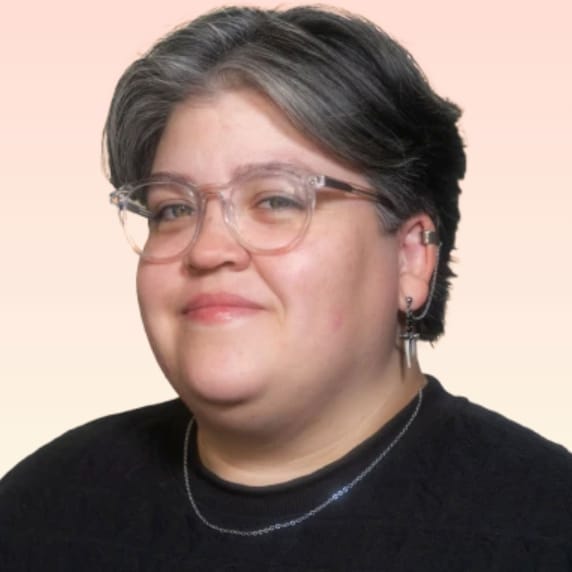
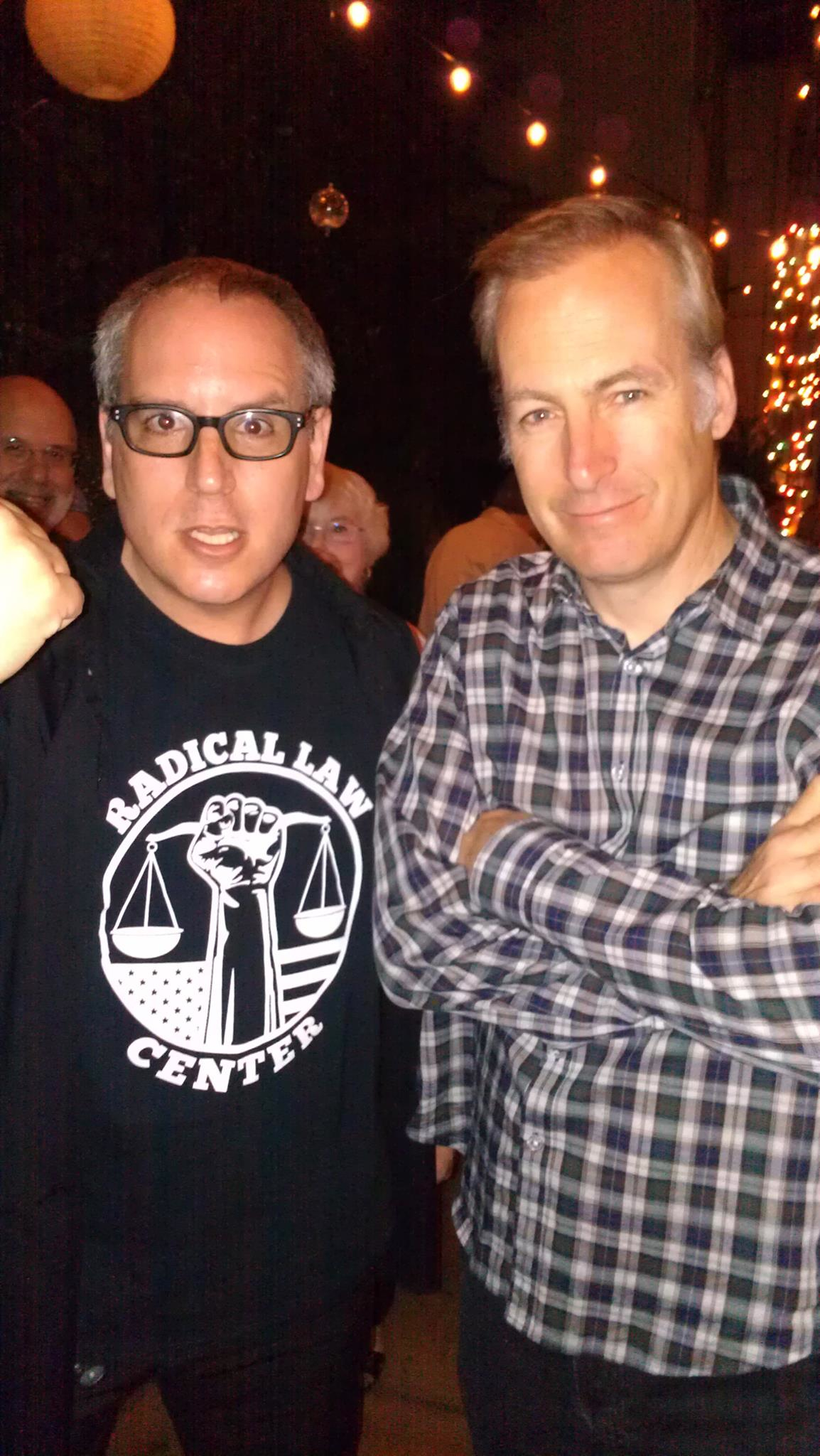
(excerpt)
Questions and Dan Kapelovitz’s Responses
Question 1
How would you describe your judicial philosophy?
I’ll actually follow Constitution. It’s the highest law of the land and must be interpreted to serve Liberty and Justice and to protect individual rights. I’ll seriously consider all arguments and err on the side of Justice. I oppose our broken two-tiered criminal-law system: one for the rich and one for the poor. Jury nullification is constitutional except where it violates the Equal Protection Clause, a constitutional provision that I will uphold. I also won’t be afraid to grant Racial Justice Act petitions when appropriate. Sentencing should be truly proportional with no extreme sentences that serve no purpose and can actually be counterproductive. Finally, I believe that the death penalty is unconstitutional (no matter what five Supreme Court Justices might say at any one time).

Question 3
If you had a magic wand, what would you do to improve the Superior Court system you’re running for?
If I truly had a magic wand, I’d take racism out of criminal law. It distorts the “justice” system in too many ways to adequately discuss here. I’d eliminate cash bail. Being jailed pre-trial isn’t meant to be punishment. But given the horrendous jail conditions, defendants plead guilty to anything to get out, even if that means prison where conditions are actually better. Those who do fight their case must often choose between a speedy trial and spending more time in jail to have a fair trial. Even if found Not Guilty, they will have spent several months or more in jail, and will have likely lost their job and their home. I’d also keep judges from imposing harsher sentences to defendants who exercise their constitutional right to a jury trial (known as a “trial tax”).
Question 2
Many judges are former prosecutors, and public defenders, for example, often have overwhelming caseloads. How would you avoid pro-prosecution or other bias in the courtroom?
Many former prosectors remain prosecutors on the bench. Former defense attorneys can be even worse to prove they aren’t pro-defense. Many judges favor the prosecution because they fear that the DA will exercise blanket preemptory challenges against them and force them to be sent to worse assignments. Blanket “papering” violates the Separation of Powers and should be banned unless a truly objective commission finds that the judge is biased. And, of course, conscious and unconscious racial bias exists in our judiciary. Also, many judges are biased toward reducing their caseload, often pressuring innocent people to plead guilty to quickly dispose of a case. Some presiding judges even have an explicit policy to rush cases along. I’ll never let my “superiors” make me act unjustly.
Question 4
Outside of the courtroom, what are three issues that need more attention and resources locally?
(Candidates were given multiple choices and a write-in option)
- Education
- Housing affordability
- Civic and democracy
Locally, I’d focus on affordable housing, education, and job creation to at least begin leveling the playing field in terms of opportunities. This would also help solve other problems, such as people living on the street and not being able to pay for basics such as food. Too many people cannot even afford to live in Los Angeles. In terms of democracy, we need ranked-choice voting, so people can vote their conscious instead of voting for the lesser of two evils. Also, the government should fund political campaigns, so candidates aren’t beholden to special interests. Every judicial candidate should refuse any campaign contributions from attorneys. It’s outrageous that attorneys can give money to the judges that they will very likely appear before.

Superior Court Judge Office 81
Dan Kapelovitz, attorney/experimental filmmaker
Bar rating: Qualified
A former features editor at Hustler magazine, Kapelovitz became a lawyer in 2009. He joined a corporate law firm, clerked for a federal judge and worked for the city attorney before founding his criminal defense practice in 2013.
Kapelovitz focuses on felony defense, though he handles “everything from disturbing the peace to murder” for a client base that is 90% indigent. He provides pro bono representation in animal-rights cases.
Ending a “two-tiered system” in which affluent and poor clients often have different results, especially when it comes to attaining bail, and eliminating courtroom bias are among his campaign priorities.
“Most judges are good, but too many of them are biased either toward the prosecution or the defense,” he [Kapelovitz] said.
Kapelovitz’s ballot designation references his experimental films, which include 2012’s “Triple Fisher: The Lethal Lolitas of Long Island.”
This is at least Kapelovitz’s fourth try for office, following failed runs for L.A. County district attorney in 2024, state attorney general in 2022 and governor in the 2021 recall campaign.